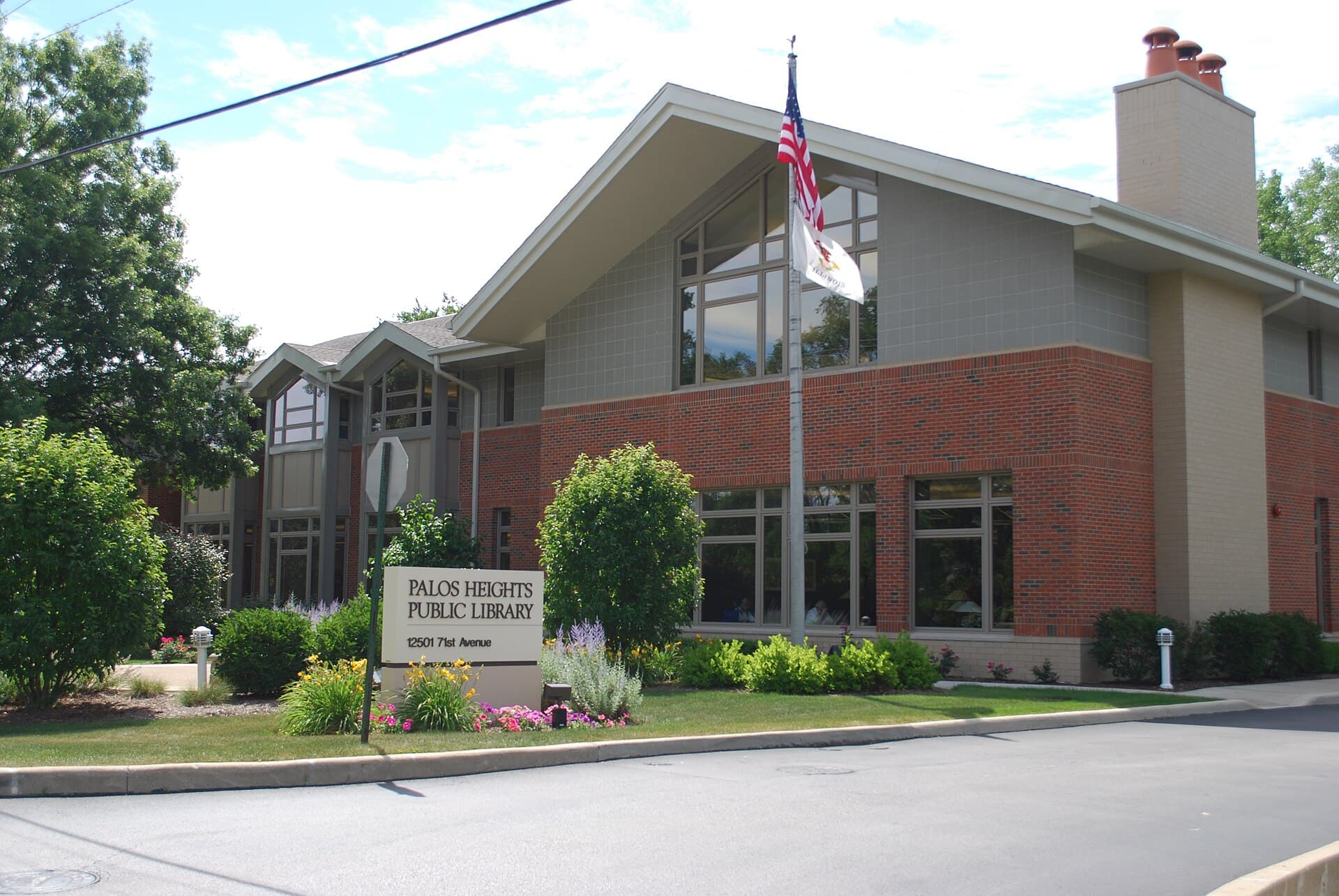
With no verified lead service lines, the lead question for a Palos Heights home is mostly the plumbing inside it — older solder, brass faucets, and fixtures.
What a service line is
A service line is the underground pipe that carries water from the main under the street into a building. When it's made of lead, EPA calls it the most significant source of lead in that home's water. An old galvanized steel line can also hold lead if it was ever connected after a lead pipe, which is why those are counted as "galvanized requiring replacement."
The Illinois law
Illinois' Lead Service Line Replacement and Notification Act took effect January 1, 2022. It required every community water system to submit a complete service line inventory to Illinois EPA by April 15, 2024, and to file replacement plans. Depending on how many lead lines a system has, the law gives it between 15 and 50 years to finish.
The scale is large statewide. Illinois EPA's 2024 inventory data, as compiled by the Illinois Municipal League, counted 3,815,652 service lines: 413,170 lead, 53,142 galvanized requiring replacement, and 917,924 unknown — 1,384,236 lines needing replacement in all.
The federal rule
On October 8, 2024, EPA finalized the Lead and Copper Rule Improvements. It requires water systems to replace lead and galvanized-requiring-replacement lines under their control within 10 years in most cases, and lowers the lead action level from 15 ppb to 10 ppb. Most of its requirements take effect November 1, 2027.
The rule has been challenged in federal court by the American Water Works Association, a water utility trade group; EPA is defending it. Timelines could change depending on the outcome.
What to do while you wait
- Find out what your service line is made of — ask your water department or use EPA's Protect Your Tap guide.
- Use cold water for drinking and cooking, and run the tap after water has been sitting.
- If your line is lead or unknown, use a filter certified to NSF/ANSI 53 for lead for drinking and cooking water.
- During and for up to six months after any work on your line or the water main, CDC says exposure risk can go up — keep using a certified filter.
Replacing the service line itself is a job for your water department and a licensed plumber — it's not something we do. What we offer is certified drinking-water filtration for the meantime and after. See under-sink reverse osmosis.
Quick questions
How do I find out if my Palos Heights home has a lead service line?
Ask the City of Palos Heights about your address, or use EPA's Protect Your Tap guide to check the pipe where it enters your home at the water meter.
Is water less safe while lead pipes are being replaced?
It can be for a while. CDC says lead exposure risk can go up while work is happening and for up to six months after, so a certified lead filter is a sensible precaution during that time.
Sources
- City of Palos Heights 2025 Annual Drinking Water Quality Report — City of Palos Heights
- Lead Service Line Information — Illinois EPA
- 2025 IML Lead Service Line Survey — Illinois Municipal League
- Lead and Copper Rule Improvements — U.S. EPA, October 8, 2024
- National Primary Drinking Water Regulations for Lead and Copper: Improvements (LCRI) — Federal Register, October 30, 2024
- American Water Works Association v. EPA (Lead and Copper Rule Improvements) — NRDC
- About Lead in Drinking Water — CDC, August 20, 2025
- Protect Your Tap: A Quick Check for Lead — U.S. EPA
- Chicago Has a Huge Lead Pipe Problem—and We Mapped It — Inside Climate News, Grist and WBEZ, August 28, 2025
This guide is general information, not medical or legal advice. Palos Heights Water Filtration is an independent business and is not affiliated with the City of Palos Heights. Product certifications are model-specific and can change; check the current listing before you buy.
