How hard is Palos Heights's water?
Neither the City of Palos Heights's report nor Chicago's 2025 water quality report lists a hardness number, so we don't guess. Before recommending a softener, we measure hardness at your tap and size the system to that result.
Signs you have hard water
- White spots on dishes and shower glass
- Crusty buildup on faucets and showerheads
- Soap and shampoo that don't lather well
- Scale inside kettles and water heaters
What a softener does — and doesn't
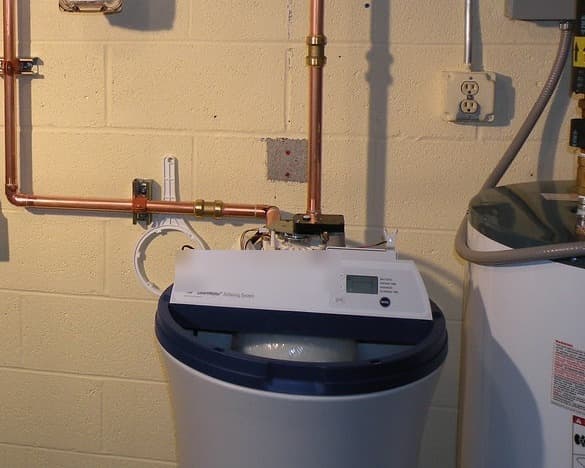
- Does: removes hardness minerals for the whole house, cutting spots and scale.
- Doesn't: remove lead, PFAS, chlorine, or chlorine by-products. Those need a filter certified for them.
- A traditional softener trades hardness minerals for sodium or potassium. If you're watching sodium, ask your doctor, and consider RO for drinking water.
Private well?
If your home is on a well, EPA suggests testing when you notice scale or soap that won't lather, along with yearly tests for bacteria, nitrate, total dissolved solids, and pH. See private well testing.
Our high-efficiency softener starts at $1,795 installed, sized to your measured hardness. See the softener page.
Quick questions
Is hard water unhealthy?
Hard water is a comfort and maintenance issue — spots, scale, and soap that doesn't lather well — not a health limit.
Does a water softener remove lead?
No. A softener removes hardness minerals. For lead, use a drinking-water filter certified to NSF/ANSI 53 for lead or an RO system with that claim.
Sources
- City of Palos Heights 2025 Annual Drinking Water Quality Report — City of Palos Heights
- 2025 Water Quality Report — City of Chicago Department of Water Management
- Protect Your Home's Water (private wells) — U.S. EPA
This guide is general information, not medical or legal advice. Palos Heights Water Filtration is an independent business and is not affiliated with the City of Palos Heights. Product certifications are model-specific and can change; check the current listing before you buy.
